
Featured content
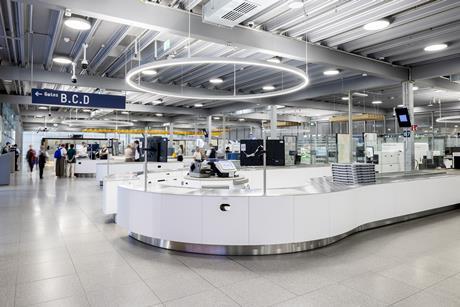
Modernising passenger security through advanced CT screening at Cologne Bonn Airport
Cologne Bonn Airport’s Simone Lutz and Robin Katernberg outline how a fully CT-equipped checkpoint is changing throughput, staffing and the passenger experience, and what the project taught the airport about delivery.
 Article
Ahead of the failure curve: building a predictive maintenance ecosystem
Linda McGuigan, Terminals Asset Lifecycle Manager at MAG Airports, explains how condition monitoring, standardised fault data and early engineer buy-in are shaping Manchester Airport’s asset strategy.
 Article
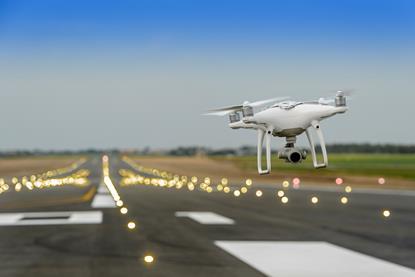
Why airports are rethinking security in an age of regional instability
As airports confront rising external threats, Patrick Cuschieri, Vice President Aviation Security at Bahrain Airport Company, examines how resilience, co-ordination and situational awareness are reshaping modern aviation security priorities.
 Article
Squeezing the lemon: unlocking hidden airport capacity
Airport leaders from Germany, Indonesia and the Philippines explain how e-gates, data analytics, AI and joined-up operations centres are creating airside capacity before any new runway is built.
News
 News
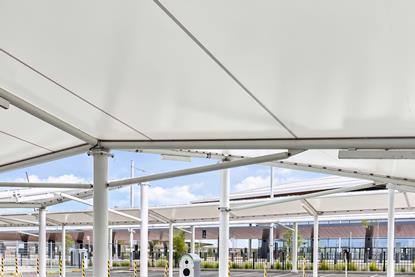
NewsWestern Sydney International details accessibility and inclusion facilities built into greenfield terminal design
Western Sydney International (Nancy-Bird Walton) Airport has set out the accessibility and inclusion offerings built into its terminal, from sensory spaces to hearing loop technology, as Australia’s first major greenfield airport in more than 50 years.
 News
NewsPicture of the week: Pittsburgh International Airport opens rare post-security outdoor terrace for passengers in new terminal
Pittsburgh International Airport has opened the first of two airside terraces in its new terminal, giving passengers outdoor space beyond security as part of a four-terrace programme designed into the building from the outset.
 News
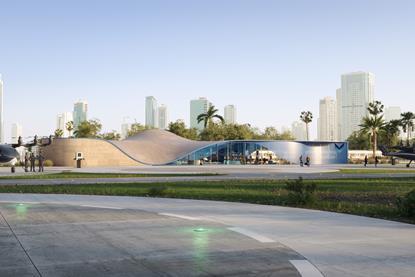
NewsSignature Aviation and UrbanV establish joint venture for US advanced air mobility infrastructure
The joint venture, unveiled at NBAA-BACE 2026, will build a connected network linking existing Signature terminals with future dedicated vertiports.
From our partners
Article
From Istanbul to the world: shaping the future of global aviation capabilities
iGA Academy sets out how connecting structured aviation training with the operational environment of iGA Istanbul Airport can help address the industry’s growing skills requirement.

Airports
Beyond the Runway: How Port Polska is designing a national airport ecosystem
A modern airport is far more than a passenger terminal and runways. This is the approach being taken in the development of Poland’s new national airport and Port Polska, the country’s largest infrastructure project.
- Previous
- Next







Join now
Unlimited access to industry intelligence that can make a difference to your business
- Bookmark articles and resources to access anytime
- Enjoy free access to industry leading resources, webinars and insights
- Stay informed with the latest news and interviews
- Receive updates and recommendations tailored to your professional interests
Upcoming Webinars

Designing the airport checkpoint of the future: Security, throughput and workforce reality
Hear industry leaders discuss how airports can balance security, passenger flow and workforce constraints today, while preparing for more automated and self-service checkpoint operations.
Designing the airport checkpoint of the future: Security, throughput and workforce reality
- Previous
- Next
On-demand Webinars
- Previous
- Next