
Featured content
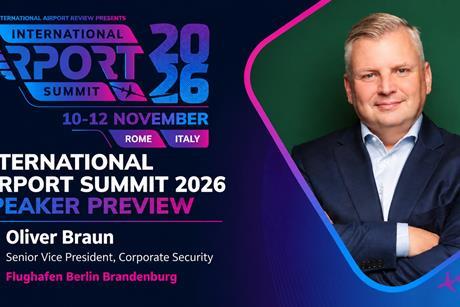
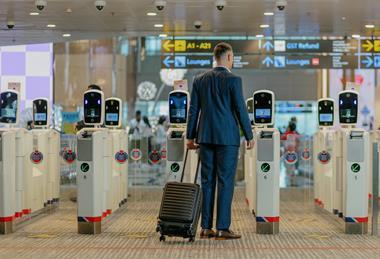
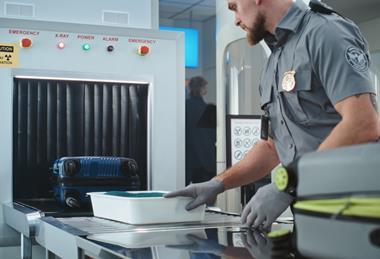
When the buffer disappears: the human factor in an automated security operation
Oliver Braun, Senior Vice President Corporate Security at Flughafen Berlin Brandenburg (BER), argues that the industry’s greatest challenge is not technological adoption, but preserving the human judgement, expertise and resilience that underpin effective security operations.
 Article
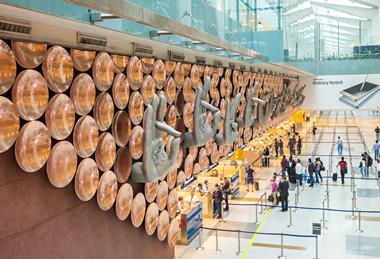
Designing smoother airport journeys through data-driven insights
Airports have never lacked data. The real challenge is joining it up and using it to transform the passenger journey from check-in to gate.
 Airports
Beyond technology: building the data foundation for prediction in airports
Modern airport architecture creates the possibility of prediction. But only capable people, clear ownership and practical processes turn that possibility into operational value explains Thilo Schneider, Product Manager of the Data Value Office at Fraport AG.
 Article
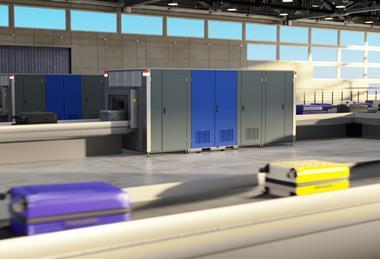
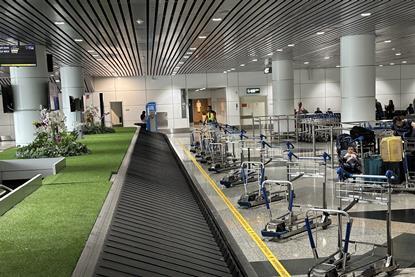
How KLIA is delivering a next-generation baggage handling system without disruption
Gaurang Harit, Project Director at Malaysia Airports Holdings Berhad outlines how KLIA is modernising its baggage handling system while protecting live operations through a proactive, resilience‑led delivery strategy.
News
 News
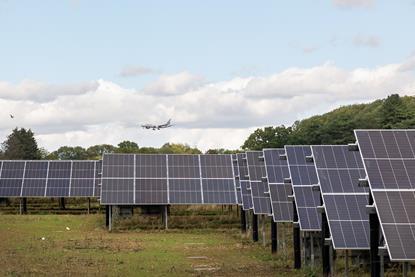
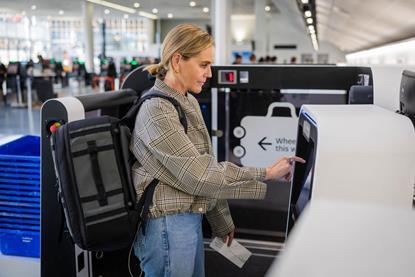
NewsPicture of the week: London Stansted’s on-site solar farm becomes fully operational with 12.8 MW of AC capacity
Built by Onsite Power on land owned by the airport, the installation forms part of a £1.1 billion transformation programme and supports a commitment to net zero direct operations by no later than 2038.
 News
NewsAuckland Airport passes halfway point of NZ$3.9 billion terminal programme as check-in zone nears opening
More than 50 per cent of the programme, which includes a new integrated domestic jet terminal, has now been delivered. The first visible change for passengers is a redesigned common use check-in zone.
 News
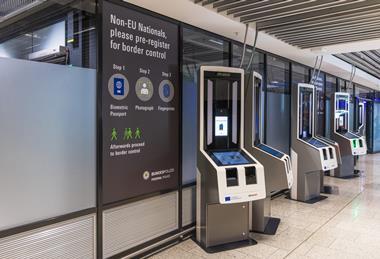
NewsAirport, airline and technology groups form coalition to back voluntary biometrics in EU Digital Omnibus
Five organisations spanning airports, airlines and technology have formed a coalition to press EU policymakers on how the Digital Omnibus treats the voluntary use of biometrics in air travel.
From our partners

Airports
Beyond the Runway: How Port Polska is designing a national airport ecosystem
A modern airport is far more than a passenger terminal and runways. This is the approach being taken in the development of Poland’s new national airport and Port Polska, the country’s largest infrastructure project.

Airports
YUL Montréal–Trudeau goes live with Veovo’s Airport Operations Platform
YUL Montréal–Trudeau International Airport has gone live with a new Flight Information Display System (FIDS) from Veovo, modernising how flight information is managed, trusted and communicated across the airport.
- Previous
- Next







Join now
Unlimited access to industry intelligence that can make a difference to your business
- Bookmark articles and resources to access anytime
- Enjoy free access to industry leading resources, webinars and insights
- Stay informed with the latest news and interviews
- Receive updates and recommendations tailored to your professional interests
On-demand Webinars
- Previous
- Next